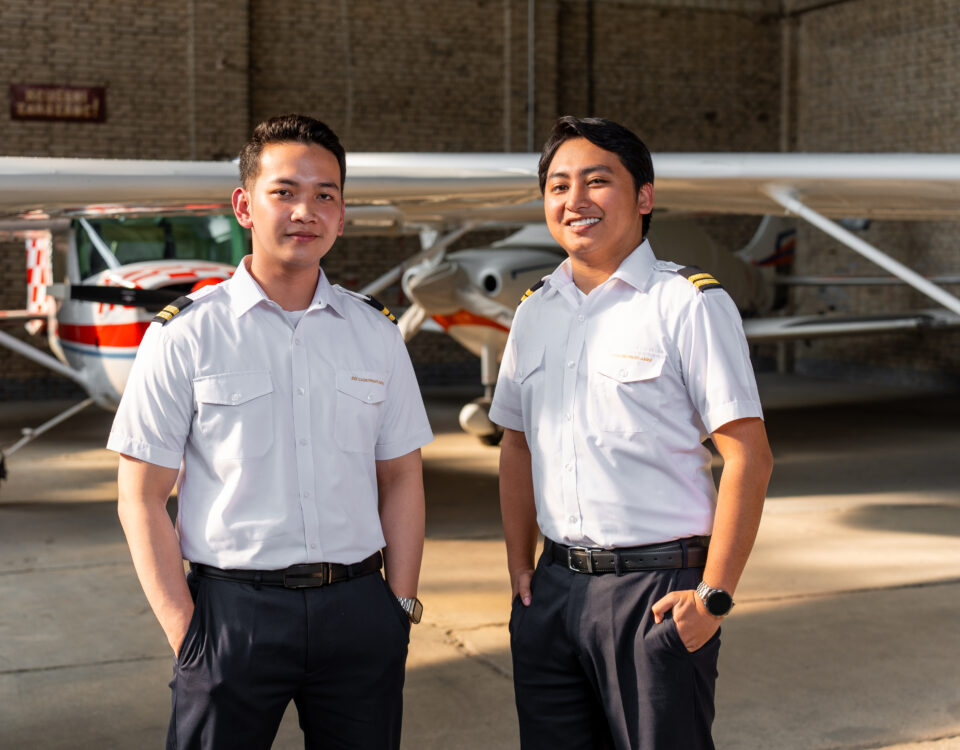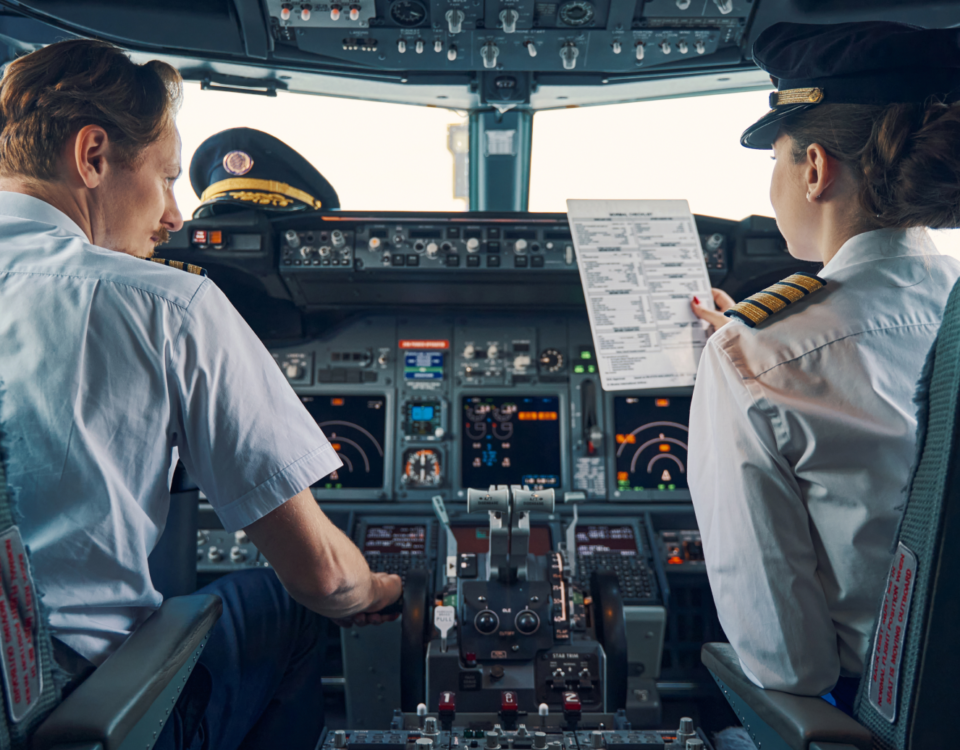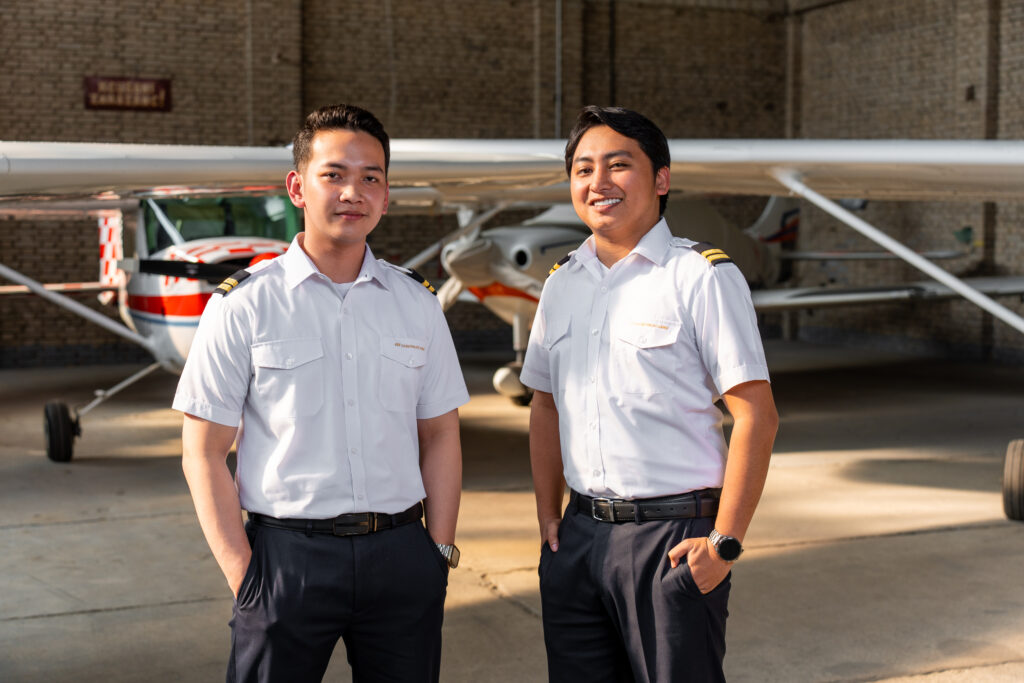
The aviation industry, including pilots and flight attendants, could never have imagined the impact of the COVID-19 pandemic and the resultant mass travel disruption. In 2020, the industry was one of the worst hit by these restrictions, with over 90% of the global fleet out of operation. Hundreds of thousands of pilots were sitting at home wondering when or if they would get into a cockpit and take flight again. Even global airlines, such as Delta Airlines, Lufthansa and Emirates, had to dismiss thousands of employees and retire some of their aircraft.
Indeed, many thousands of those pilots never actually did return to the cockpit. As we took to the skies once again, airlines quickly discovered that the pandemic had left a hole in their future planning and that more incoming pilots were required.
Therefore, there has never been a better time for those who have been dreaming of a career as a pilot. Below we will explain why you shouldn’t hesitate to kick off your pilot training immediately with CADETPILOT.AERO.
How long does it take?
To become a qualified pilot takes time. Candidates who decide to embark on a career as a pilot need between 2 and 3 years of training. After this time, they are ready to work as a First officer on aircraft such as the Airbus A320 and the Boeing B737.
Aspiring pilots who begin their training today will have completed the process by the time that the air industry is expected to peak again. This prediction is also shared by Boeing, the premier manufacturer of commercial jetliners, in their Pilot and Technician Outlook 2020–2039.
Boeing: "Aspiring aviators who begin their training today will be well positioned to take advantage of new job opportunities as the industry recovers."
What makes us think that the industry will fully recover and that many airlines will be hiring soon?
The unrelenting hunger of people to travel is the single major factor which ensures that the airline industry will recover and perhaps surpass pre-COVID levels. The global availability of the COVID-19 vaccine and improved testing methods provide yet more security for travellers. Initially, we have seen increasing demand for domestic and intracontinental flights, with intercontinental travel taking a little longer. In places like Europe, North America or China this might happen quicker, leading to a large increase in air traffic.
According to the International Air Transport Association (IATA), the number of ageing pilots who will retire in the next 5 to 15 years is rising. As previously stated, the COVID-19 pandemic has sped up this process, as many pilots haven’t returned to the industry. This has resulted in a continuous pilot shortage and a strong global demand for new pilots over the next decade.
Learning to fly should pay off
No one has a crystal ball to predict the future, however, most companies and experts remain optimistic and confident that there will be sufficient career opportunities for pilots. Are you still unsure?
Well, let’s take into consideration several facts:
Firstly, and as we have already seen, as soon as the pandemic restrictions ended, people wanted to travel again. For airlines to be able to satisfy customer demand, highly professional staff, i.e. well trained and highly skilled pilots, are continuously in great demand. In addition, new airlines are being launched which are trying to take advantage of new opportunities and gaps in the post-pandemic market. Obviously, this will also increase the demand for pilots.
Secondly, the demand for flight instructors – those needed for training aspiring pilots - continues to be high despite the pandemic and the uncertainty it caused. For some pilots, becoming a flight instructor could be a good way to start off your career after finishing the initial training. In spite of the pandemic (or as a result of it?), inquiries for private and business jet flights increased in 2020. Due to this greater demand, private flight operators have also seen the need to hire more pilots. Working as this type of pilot is another way to accumulate your flying hours, and many view it as an interesting career in itself.
In conclusion, it is most certainly worth becoming a pilot. Starting your journey as a pilot can start today, and we urge you to grab the opportunity.
Published by Patrik Dvorak
Patrik is an experienced training manager who is responsible for the standard and quality of the training programme. After graduating from CTU in Prague, he has held positions in numerous flight training organisations with the focus on training professional pilots.